Cases, wardrobe & props
The cases move separately, and you still know where they are
Cases, wardrobe, props and light equipment moved apart from the talent and crew, under the same tagged and scanned custody as luggage.
Available on requestPriced on the programme, not on a per-trip guess.
Part of Specialty Logistics · all services
What this service handles
On a production, the gear rarely wants to be where the people are. Wardrobe goes to the hotel, cases go to set, props go to the second location, and talent goes to none of those.
VaultPac moves each of those as its own cargo movement with a custody record — tagged, scanned at every handoff, proof at both ends — on the same trip as the passenger movements. That is the combination the catalog identifies as the specifically VaultPac proposition, and it is the reason a production coordinator would use one vendor rather than three.
It covers what travels with a team: cases, wardrobe, props, collateral and light equipment. Heavy staging, grip trucks and palletised freight are not what this is.

Typical movement
- Cases counted and tagged On the same trip as the crew movements
- Loaded to a cargo vehicle Scanned as they go
- Delivered to set, hotel or location Each on its own timing
- Held between locations Where the schedule leaves a gap
- Proof at every handoff Recipient and condition recorded
Who uses this service
- Production companies and coordinators
- Costume and wardrobe departments
- Art and props departments
- Commercial and photo shoots
- Touring and live production
- Event production companies
How VaultPac coordinates it
Every booking is a trip. A trip carries trip services, and each service breaks into the individual movements that actually have to happen — which is why the people and the bags do not have to travel the same way.
- Trip
- Trip services
- Individual movements
-
Separate cargo vehicle
A dedicated vehicle for bags, cases or equipment running alongside the passenger vehicles rather than inside them.
-
QR custody scan
Every bag carries a tag. Each change of hands is scanned, so custody is a record rather than a recollection.
-
Proof of pickup
Time, place and who released the item, captured at collection.
-
Proof of delivery
Time, place and who received the item, captured at delivery.
-
Secure storage between movements
Items can be held under custody between a pickup and a delivery, and released on a schedule rather than on arrival.
-
Oversized & special items
Golf bags, trade-show cases, strollers, production cases and similar items counted on the movement so the right vehicle is assigned.
-
Trip → Trip Services → Movements
One trip holds every service on it, and each service breaks into the individual movements that have to happen. A single booking can carry people and bags on different vehicles and different clocks without becoming two bookings.
-
Changes during the trip
Times, stops, vehicles and passenger counts can change after a trip has started without rebooking it.
-
Dispatch monitoring
Every movement on one board while it runs, so a late arrival is seen rather than reported.
What runs this movement
Assignment reads the passenger count and the bag count, so the vehicle that arrives fits both. Larger movements run several.
-
 SUV
SUV
-
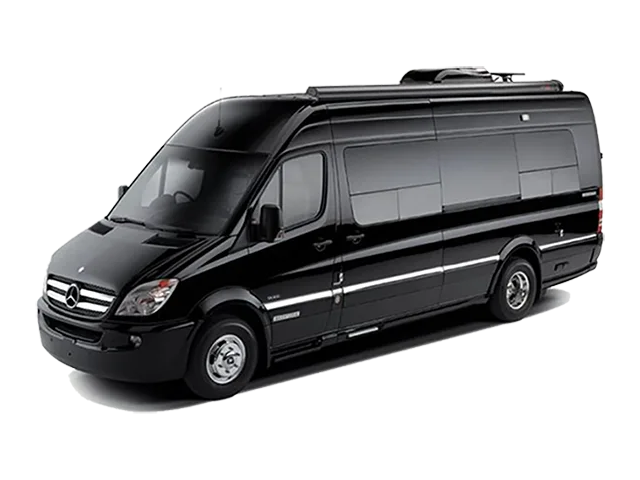 Sprinter
-
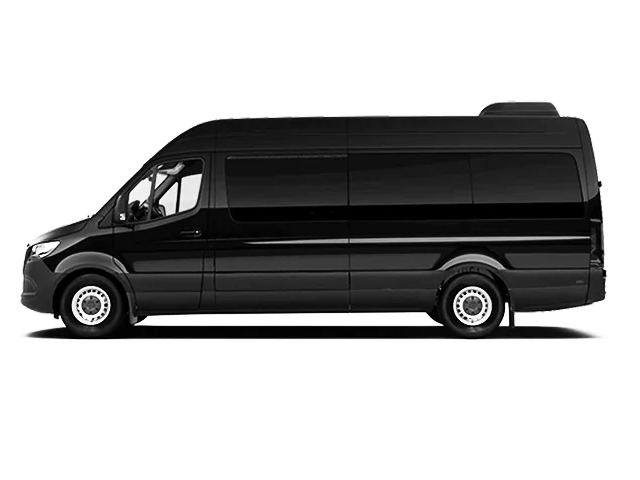 Passenger van
-
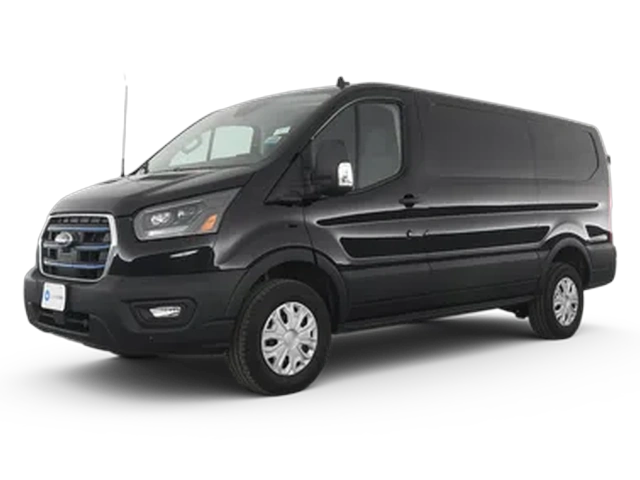 Cargo vehicle
Why VaultPac for this
- Scanned custody on cases, which is rare outside luggage and exactly what wardrobe and props need.
- Cargo and passenger movements on one trip, so a location change moves both.
- Holding between locations is part of the movement rather than a separate storage deal.
Important
- This is travel-attached cargo, not freight. VaultPac does not operate grip trucks, heavy staging transport or palletised freight.
Questions
What will you not carry?
Heavy staging, grip and lighting trucks, palletised freight and hazardous materials. If it needs a dock or a lift gate, it is a freight movement and we will tell you rather than take the booking.
Next step
Plan production equipment with us
Tell us the shape of the movement — dates, numbers, where it starts and where it has to end. We come back with an operating plan and a price, not a form letter.