
On-demand terminal errands
Somebody on the ground at the airport, on short notice
Forgotten items, documents, a bag that needs re-checking, a handoff between two parties who will never be in the terminal at the same time.
Available on requestFor movements that are already running.
Part of Specialty Logistics · all services
What this service handles
Some airport problems are not transportation problems. A passport left in a hotel safe. A signed document that has to reach somebody before they board. A bag that has to be moved from one terminal to another because the itinerary changed at the counter.
A runner is a person with a vehicle and a proof-capture app, dispatched for a specific errand and closed out with a record of what was collected and who received it. It is the same custody workflow as a luggage movement, applied to something smaller and more urgent.
This sits under the wider specialty and courier capability rather than leading VaultPac's positioning. It exists because a travel logistics platform needs an answer for the hour when something has to physically be somewhere, not because VaultPac is a courier company.
Typical movement
- Errand defined What, from where, to whom, by when
- Runner assigned Offered to the nearest available operator
- Collection with proof Scanned and photographed at pickup
- Terminal handoff Inside or curbside, as the errand needs
- Proof of delivery Recipient and time recorded
Who uses this service
- Corporate travel departments
- Executive assistants
- Hotels and concierge desks
- Transportation companies with a client mid-trip
- Production and event coordinators
How VaultPac coordinates it
Every booking is a trip. A trip carries trip services, and each service breaks into the individual movements that actually have to happen — which is why the people and the bags do not have to travel the same way.
- Trip
- Trip services
- Individual movements
-
Operator assignment
Movements assigned to a specific operator and vehicle, with the assignment visible to dispatch throughout.
-
Timed offer & backup routing
The preferred operator is offered the movement first and has a window to accept; if they do not, it moves to the backup pool automatically.
-
Proof of pickup
Time, place and who released the item, captured at collection.
-
Proof of delivery
Time, place and who received the item, captured at delivery.
-
QR custody scan
Every bag carries a tag. Each change of hands is scanned, so custody is a record rather than a recollection.
-
Dispatch monitoring
Every movement on one board while it runs, so a late arrival is seen rather than reported.
-
Masked communication
Passenger and chauffeur reach each other without either holding the other's number.
What runs this movement
Assignment reads the passenger count and the bag count, so the vehicle that arrives fits both. Larger movements run several.
-
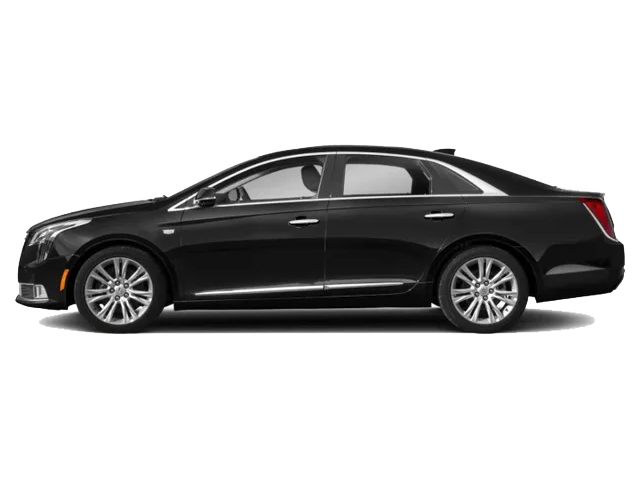 Executive sedan
-
 SUV
SUV
-
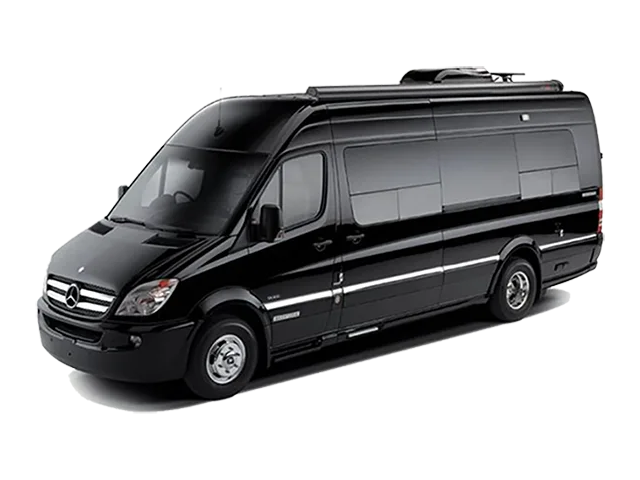 Sprinter
-
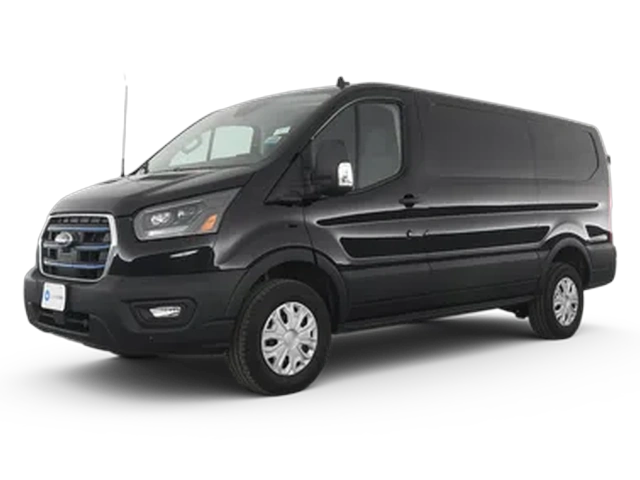 Cargo vehicle
Why VaultPac for this
- The same proof workflow as a luggage movement, so an errand is documented rather than described.
- Offered to the nearest available operator on a timer instead of rung round manually.
- Dispatch can see it running, which matters when the deadline is a boarding time.
Questions
How quickly can a runner be dispatched?
It depends on operator availability at that hour, and we will tell you honestly when you call rather than quote a number that sounds good. The offer goes to the nearest available operator immediately and falls to a backup pool if it is not taken.
Can a runner go airside?
No. Runners work landside — terminal kerbside, check-in halls, baggage claim and the public areas. Anything beyond security is the airline's or the airport's to handle.
Next step
Plan airport runner with us
Tell us the shape of the movement — dates, numbers, where it starts and where it has to end. We come back with an operating plan and a price, not a form letter.